

Pro player Connor Garnett pushes back on claims that pickleball is ‘doomed’
Pickleball’s explosion over the past decade has created plenty of believers, but it has also produced a growing number of skeptics.
Well known entrepreneur and investor Michael Girdley recently argued that the pickleball boom may already be running out of steam. His case: padel is gaining ground, older players are aging out of the sport and pickleball franchises are going bankrupt.
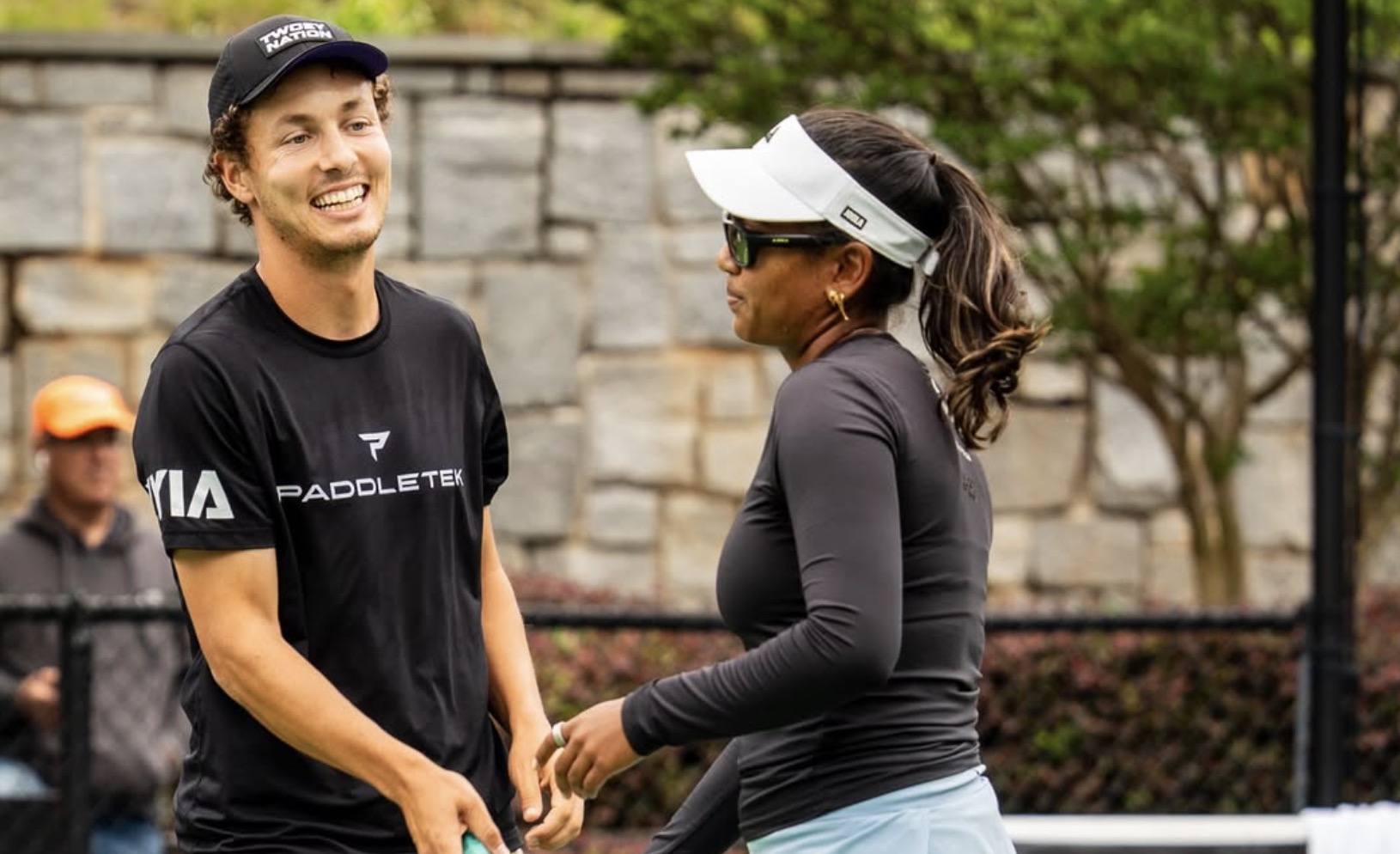
Professional pickleball player Connor Garnett sees things differently.
Garnett, currently the No. 10 men’s player in the PPA Tour rankings, is a former investment banker who has an interest in the business side of pickleball.
Read next: Breaking down the business side of Major League Pickleball
He responded to Girdley’s concerns by pointing to pickleball’s accessibility, increasingly young player base and low barrier to entry as reasons its growth is far from finished.
So, is pickleball actually in trouble — or is the sport simply entering its next phase?
Pickleball’s biggest advantage: Accessibility
According to Garnett, pickleball’s greatest strength is how easy it is for new players to get started.
Public courts are available in communities across the country, while the equipment and court fees required to play are relatively inexpensive. The sport is also easier to learn than many of its competitors.
That separates pickleball from padel, which requires an enclosed court that is more expensive to build, and tennis, which can be more physically and technically demanding for beginners.
For pickleball, that low barrier applies both financially and from a skill standpoint. New players can get on a court and enjoy a competitive game without spending hundreds of dollars or spending months learning the fundamentals.
Read next: The Kitchen’s Top 13 pickleball paddles on the market + in-depth reviews for each one
Why some pickleball facilities are failing
Critics have pointed to bankruptcies and struggling pickleball facilities as evidence that demand is fading.
Garnett offered another explanation: Some operators simply made the wrong investments.
Like any fast-growing industry, pickleball attracted businesses eager to capitalize on the boom. Not every facility chose the right market, business model or cost structure. A failed venue, Garnett argued, does not necessarily mean the sport itself is failing.
The distinction matters. Individual businesses can struggle even while overall participation continues to expand.
Read next: The best shoes for pickleball players
A younger generation is taking over
The idea that pickleball depends entirely on older players is also outdated.
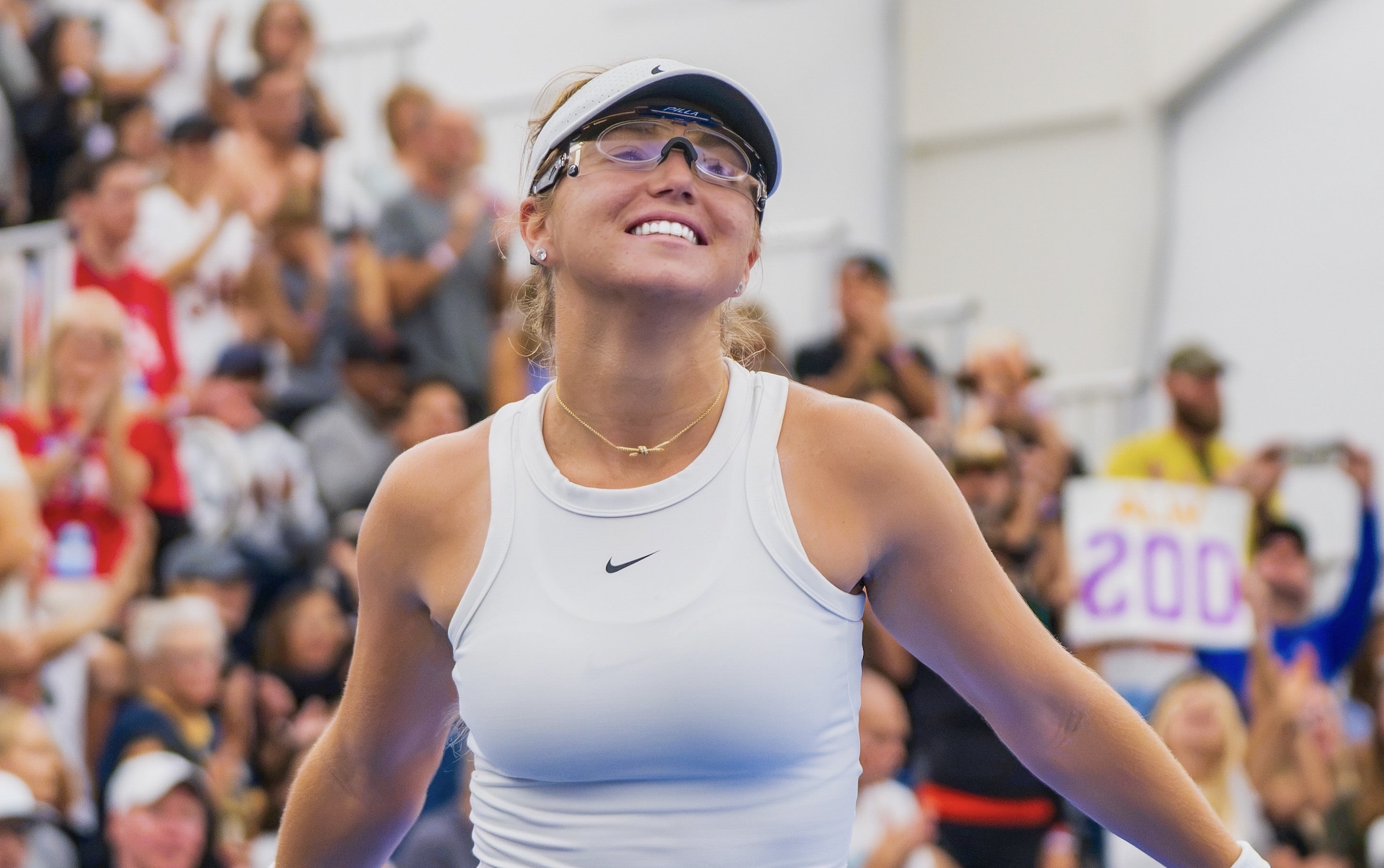
Garnett highlighted 13-year-old Elsie Hendershot, who recently competed for the Chicago Slice at a Major League Pickleball event in Orlando and helped clinch a season-saving DreamBreaker.
Her emergence is part of a broader shift. The average age of a pickleball player has fallen into the 30s as more children, teenagers and young adults enter the sport.
That trend could give pickleball something every successful sport needs: A pipeline of players who will participate, compete and watch for decades.
Pickleball businesses may still face growing pains, and competition from padel and other racquet sports is not going away.
But Garnett’s conclusion is clear: Pickleball is not doomed. It is alive and well — and players will likely continue to enjoy the sport for decades to come.

You Might Also Like