Pickleball discount codesNever pay full priceSave on every paddleUse code with code KITCHENAll prices below are before code.Prices below are before code
Every paddle we’ve played and reviewed.Every paddle we’ve tested.Filter, compare and find your fit.Filter, compare, find your fit.How we test
Use code KITCHEN for the best price. All prices below are before code.
This page contains affiliate links. The Kitchen may earn a commission from purchases at no extra cost to you.We may earn a commission from links on this page at no added cost to you.
Filter Paddles
Our picks
The Kitchen’s top picks
Ranked lists from our reviewers. Pick one and its ranked paddles come first, then every other paddle that fits.
Play style
Price
Or set your own range
Or set your own range
Brand
Power & spin
Power
Spin
Advanced filters
ShapeElongated adds reach and power; widebody has the biggest sweet spot; hybrid sits between.
Handle length
Core thicknessThicker (16mm) feels softer with more control; thinner (13–14mm) has more pop.
Core typeThe generation of the core’s construction. Newer generations generally add pop and power.
Certification
Swing weightHow heavy the paddle feels in motion, measured in our lab. Lower is quicker at the net; higher drives harder.
Quicker handsMore drive
Twist weightHow much the paddle resists twisting on off-center hits, measured in our lab. Higher is more forgiving.
Beginners do best with a forgiving paddle: a big sweet spot and easy control matter more than raw power. The JOOLA Vision tops our best paddles for beginners list.
Are expensive pickleball paddles worth it?
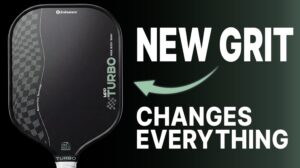
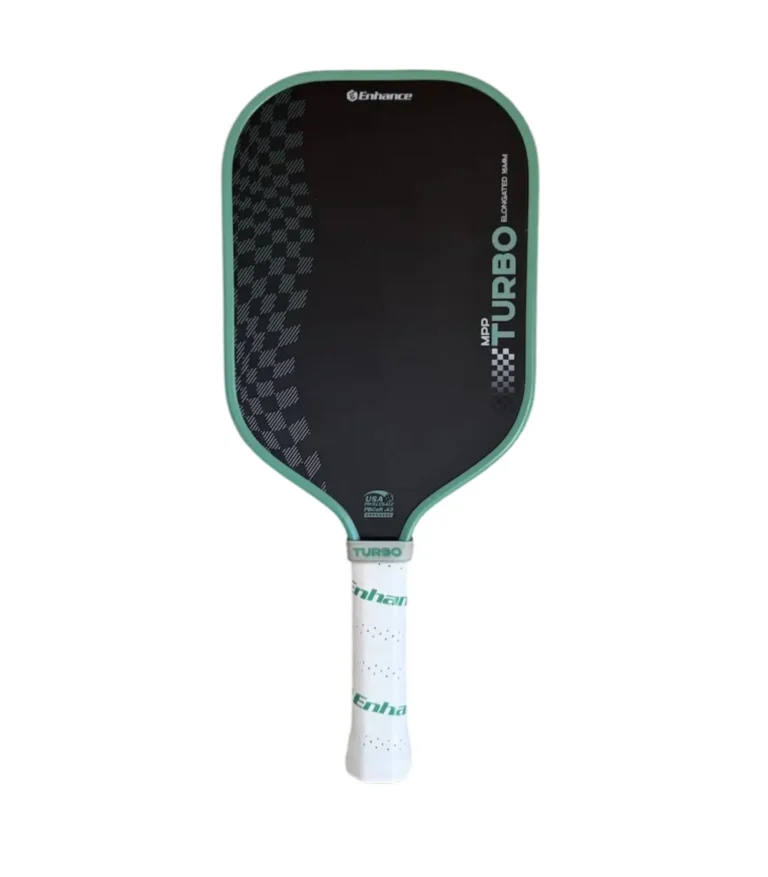
You don’t need to spend $250 to get a great paddle. Our top budget pick, the Enhance MPP Turbo, competes with paddles that cost twice as much. Premium paddles bring newer foam and carbon builds, more spin and more consistency, which matter most at higher levels. Either way, code KITCHEN saves you money at our partner brands.
What paddle is best for tennis elbow?
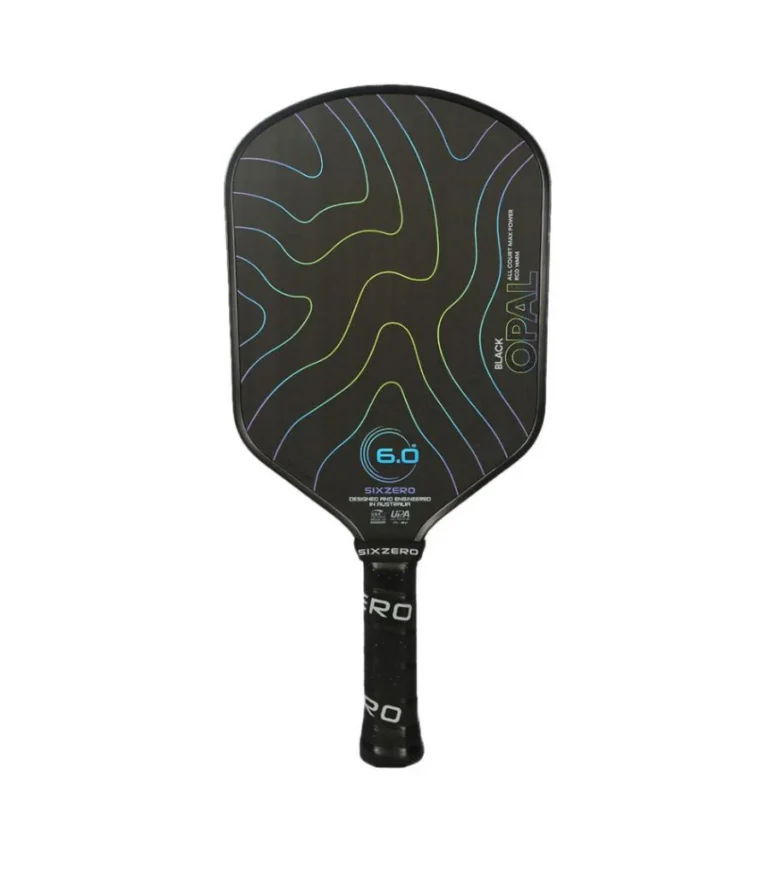
Many players with elbow or wrist pain prefer a softer, 16mm paddle with a forgiving face, which sends less vibration up the arm. The Six Zero Black Opal leads our best paddles for tennis elbow list.
How do you test pickleball paddles?
Our team plays every paddle on court, and we measure each one in the lab for power, spin, swing weight and twist weight. The scores and full specs are on every paddle’s page. Read how we test.
How do I compare two pickleball paddles?
Tap Compare on any two paddles, then Compare in the bar at the bottom. You’ll see their lab scores, specs, prices and discount codes side by side.
Are these prices before or after discount codes?
Before. Most brands take 10–15% off with code KITCHEN; each paddle shows its discount where there is one.
How to choose a pickleball paddle
All 108 paddles in our database are played by Team Kitchen, our team of expert paddle reviewers, and measured the same way, so the numbers on every card compare directly. Tap any to see what it means and how to use it.
Power (0 to 100)
How much pace the paddle puts on the ball for the same swing. Most paddles we test hit hard: half score between 79 and 89, so a few points make a real difference. Look above 89 if you finish points with drives and speed-ups, and below 79 if you would rather control the pace.
Spin (0 to 100)
How well the face grips the ball for topspin drives, rolls and slice. Half of the paddles we have tested score between 78 and 91. Above 91 is top tier.
Swing weight
How heavy the paddle feels when you swing it, which matters more than what it weighs on a scale. Ours range from 99 to 126, and most sit between 113 and 118. Under 110 means quick hands in fast exchanges at the kitchen line; 118 and up adds power on drives and serves but is slower to react.
Twist weight
How stable the paddle stays on off-center hits. Higher is more forgiving. Most paddles we have tested sit between 6.1 and 6.7; 6.6 and up is very stable.
Core thickness and type
A 16mm core (84 of the paddles we have tested) feels softer and more controlled; 14mm and thinner cores give more pop. Gen 3 paddles are thermoformed with foam in the edges for a bigger sweet spot, and Gen 4 usually means a full-foam core, which adds power and keeps the ball on the face longer.
Shape
Elongated paddles (67 in our database) give more reach and power with a smaller sweet spot. Widebody paddles (13) are the most forgiving. Hybrids (18) sit in between.
Choosing by play style
Power players: high power, a swing weight of 118 or more, and an elongated shape.
Control and the soft game: a 16mm core, a hybrid or widebody shape, and a twist weight of 6.6 or more.
Fast hands at the net: a lower swing weight (under 110 is quick) and a hybrid shape.
Newer and improving players: a forgiving widebody or hybrid with a high twist weight. You do not need the most expensive paddle to play well.
How we test every paddle
Why trust our ratings? Every paddle here is played by Team Kitchen, our team of expert paddle reviewers, and measured on the same scale, so you can compare any two.
Expert reviewers. All 5.0+ players, testing alongside other high-level players in their area.
Hours of drills and games. Every kind of shot, in real points, to see how a paddle plays in a match and not just on paper.
Measured on the same scale. Power, spin, swing weight and twist weight for every paddle, so any two compare fairly.
One ball for every test. The Life Time LT Pro 48.
Prices are before code. Our brand partners give Kitchen readers discount codes (usually KITCHEN) at checkout. Buying through our links supports our testing at no extra cost to you.
The Kitchen Pickle earns a commission on purchases made through links on this page.
Prices may vary at the retailer.