

Everything you need to know about the recent Picklr bankruptcy filing
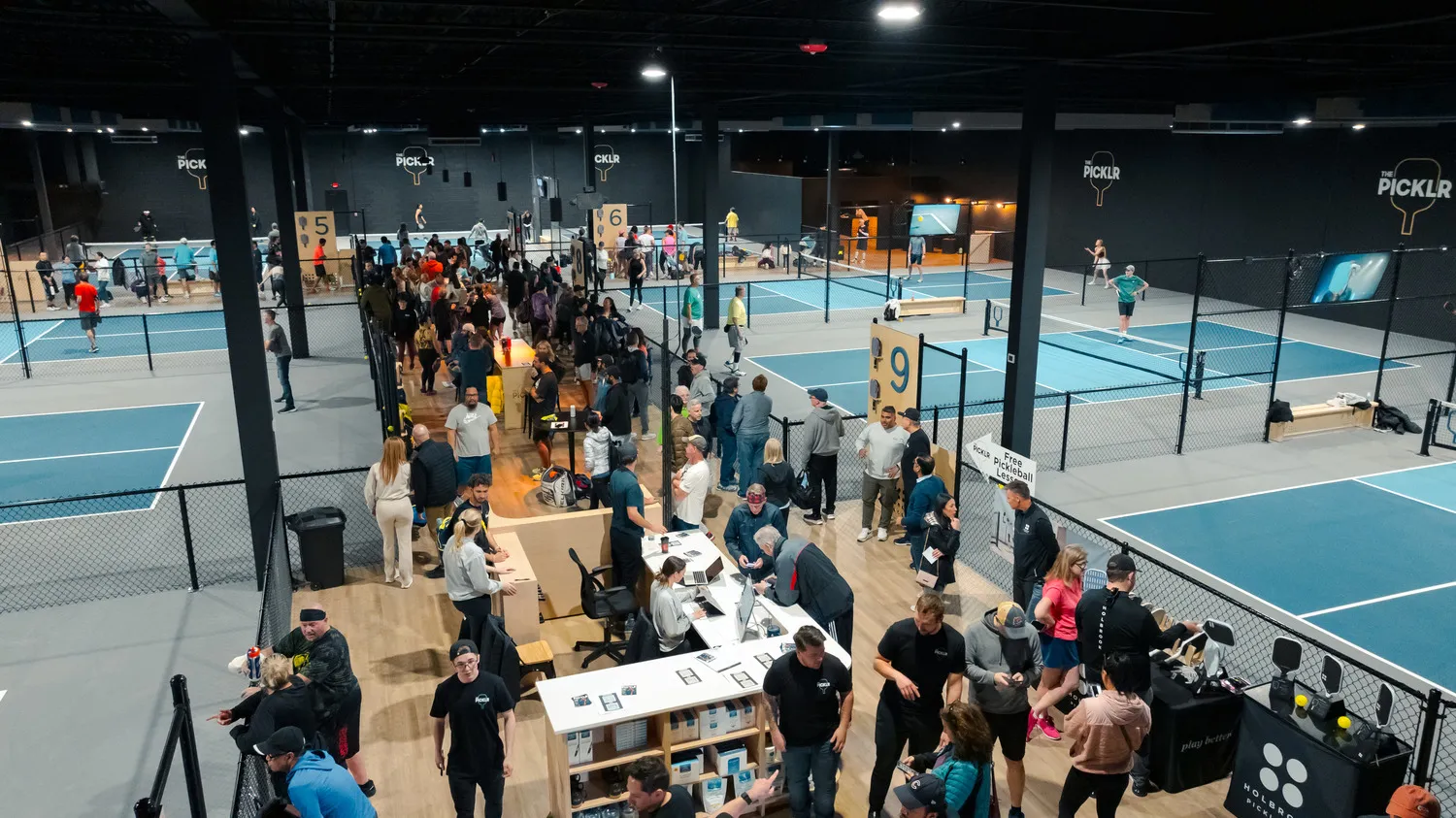
Pickleball received a hefty amount of mainstream media attention this week after The Picklr, an indoor facility chain with more than 70 locations throughout the U.S., filed for Chapter 11 bankruptcy.
The news raised questions about what comes next for The Picklr’s clubs, and what it means for franchisees and members — and the pickleball industry as a whole.
The Utah-based company operating as Picklr Inc. filed for protection on Oct. 9 in the U.S. Bankruptcy Court for the Northern District of Texas, according to reporting by the Sports Business Journal. The company says its locations continue operating while it pursues a financial restructuring.
For players, the immediate message is continuity. For the business, the challenge is finding a sustainable way to support its network of clubs — most of which were built in the midst pickleball’s explosive growth during and after the COVID-19 pandemic.
Expert review: Does the RPM Jade live up to the hype?
What pushed The Picklr into bankruptcy?
Founder and CEO Jorge Barragan has said the central problem traces back to corporate guarantees on early franchisees’ facility leases. About 40 locations had those arrangements, he told Sports Business Journal, leaving the parent company exposed to obligations that became financially unsustainable.
“And that’s on us. I own it,” Barragan said.
The company intends to use the bankruptcy process to pursue negotiations with landlords. The objective, Barragan said, is to create more profitable businesses and give franchisees a better chance of fulfilling their leases.
Financial statements showed a $4.4 million net loss on $10.3 million in revenue in 2025. Total liabilities stood at approximately $19 million at the end of March 2026.
How did the company grow so quickly?
Founded in 2021, The Picklr began franchising in 2023 and has expanded to more than 70 domestic locations, with an international presence in Australia, Canada and Japan.
Its expansion followed a surge in demand for dedicated places to play. But the financial difficulties now confronting the company show how quickly growth can create obligations that outlast the initial rush of new customers.
The Picklr’s product is a premium, membership-based club. Its facilities average about 10 courts and cost more than $1 million to build.
Members pay a flat annual fee for access to court rentals, open play and clinics. But The Picklr is often not the only game in town anymore. Competition from other indoor facilities in larger markets puts pressure on operators to offer the best playing experience at the lowest price.
Franchisees also face royalty and marketing fees that reduce the money available to cover other expenses.
Are clubs closing?
The company says independently owned locations remain open. Many individual Picklr locations have emphasized that local franchise owners continue to own and operate the facilities.
Barragan said he expects some downsizing, although he said the bankruptcy filing would not directly close clubs.
Ultimately the effects of the parent company Picklr Inc. restructuring will have varying effects depending on the location.
Who is financing the restructuring?
An group led by Picklr investor and franchisee Tom Neale has committed financing to support the process. The company announced $4.5 million injection, subject to court approval.
The funding offers support for the restructuring, and Neale’s involvement also places an existing franchisee at the center of the effort to stabilize the business.
Expert review: Enhance just UPGRADED our top budget paddle with the MPP Turbo ArmorGrit
What does this say about pickleball’s growth?
The news follows other signs that participation growth has been slowing down after the sport’s post-2020 surge. An August 2025 report from the Sports & Fitness Industry Association said there was a 14.7% increase in participation in the first half of 2025, compared with 45.8% growth during 2024.
At the time the SFIA estimated there were approximately 22.7 million players, up from about 19.8 million the year before and 4.2 million in 2020.
It’s not that the sport is shrinking now — the player base is still growing, in fact — it’s just not growing as fast as it once was.
And as the number of players surged, so did the number of facilities. There was a 55% increase in the number of dedicated facilities in 2024, while the total number of courts increased 23%.
Ultimately this week’s news illustrates an important lesson for the industry: A growing player base does not automatically make every club profitable.
And The Picklr’s bankruptcy filing does not necessarily mean the bubble is bursting, either, as some commenters have insisted. It means the industry is still trying to find the right balance of supply and demand.