
Understanding the dead dink in pickleball: Why, when and how to use it


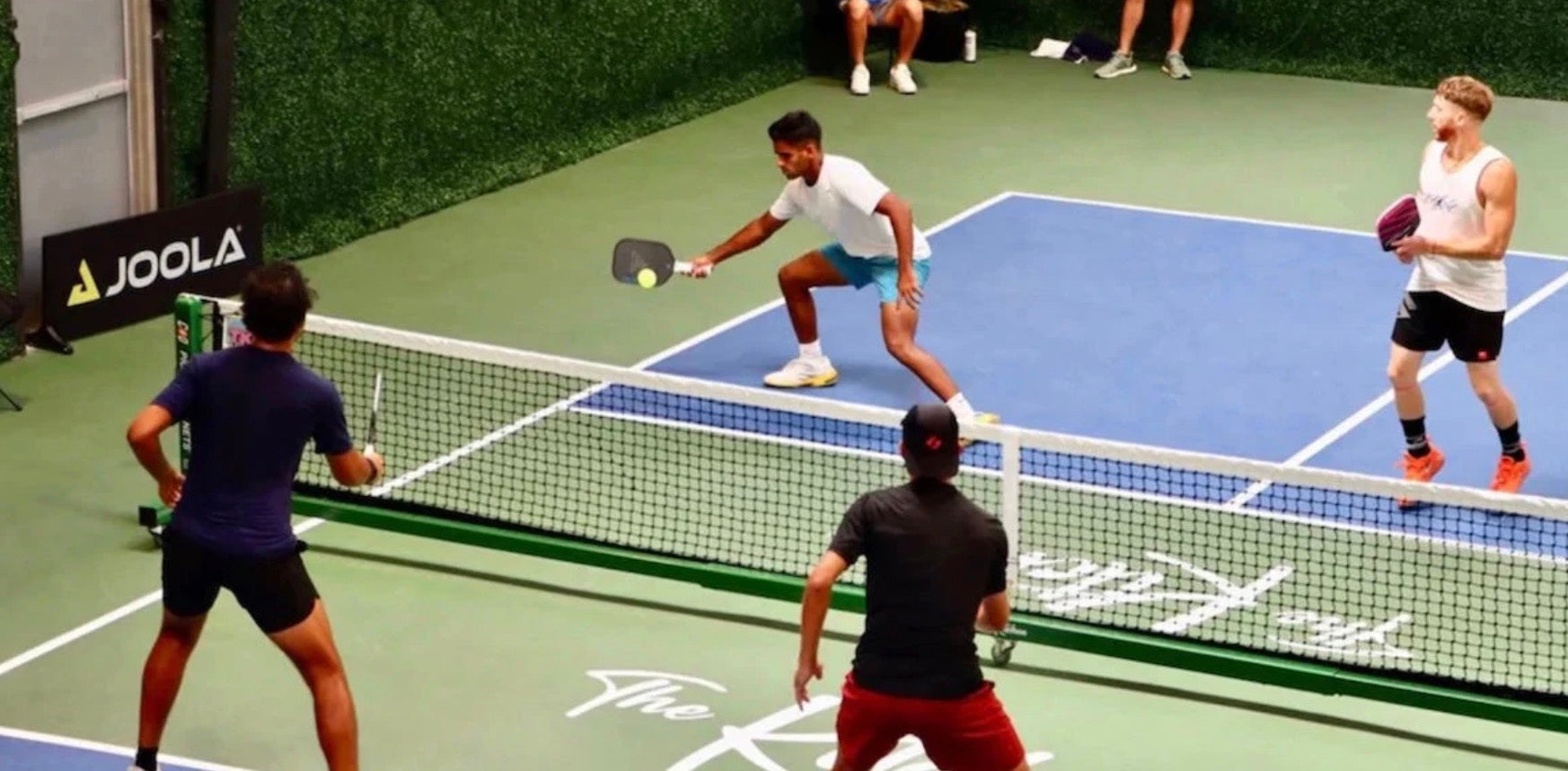
A dink is a soft shot hit from near the kitchen line that arcs just over the net and lands in the opponent’s kitchen. Because it lands short and low, it can’t be attacked, the opponent has to dink it back. The game becomes a patience battle until someone pops one up high enough to attack. It’s the defining shot of high-level pickleball.
A ball that lands in the kitchen and stays low can’t be volleyed for a winner, remember, you can’t volley from inside the kitchen. So your opponent has to let it bounce and hit another soft shot back. Dinking neutralizes power and forces long, patient exchanges where the first player to make a mistake loses.
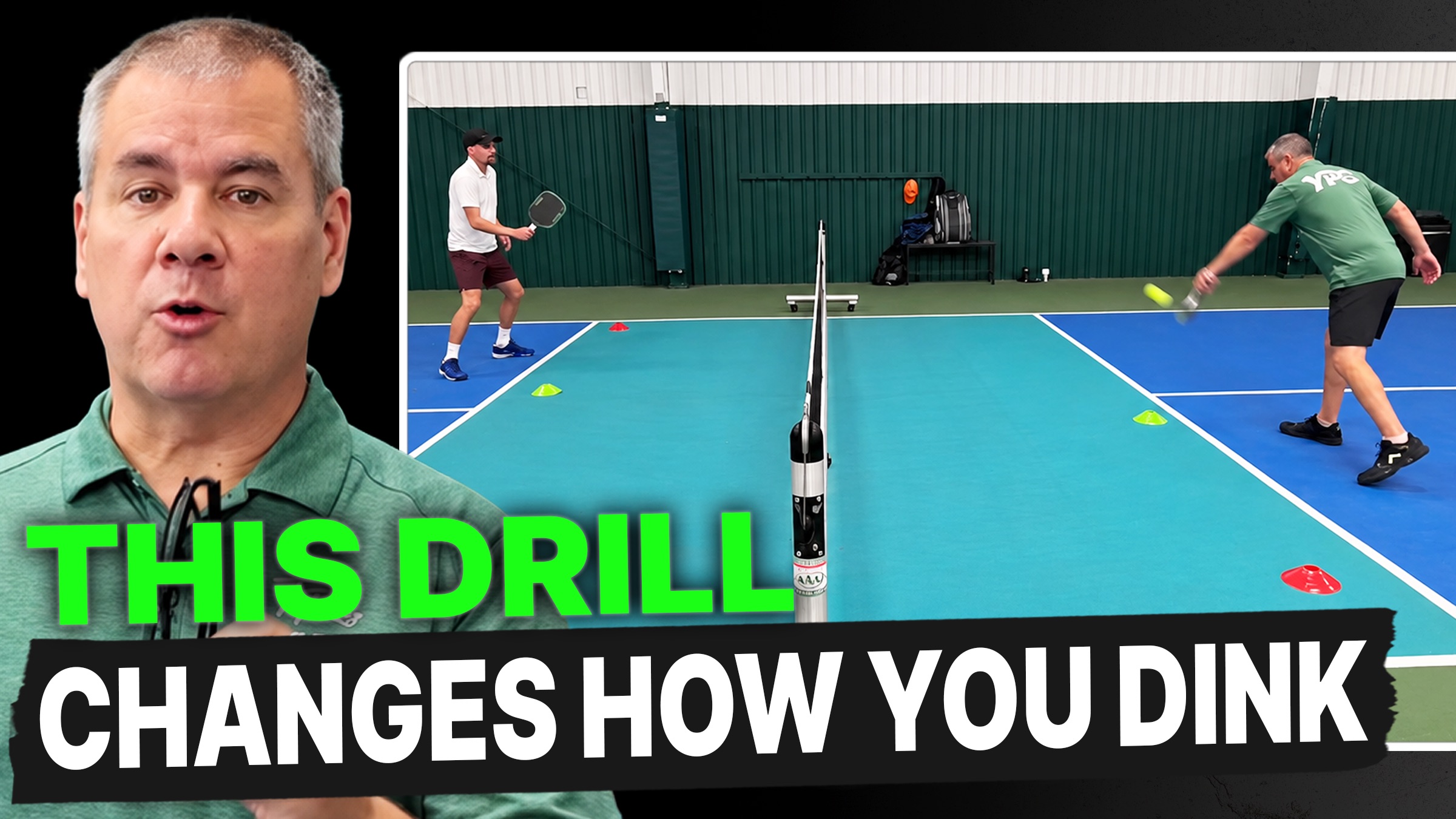
Use your shoulder, not your wrist. Keep the paddle face slightly open, contact the ball out in front, and “push” it with a compact motion rather than swinging. Aim to clear the net by a foot or less so it drops quickly into the kitchen. The lower and softer it lands, the harder it is to attack.
Crosscourt dinks are safer, the net is lower in the middle and you have more court to work with. Move your opponent side to side, and watch for any dink that sits up: that’s your cue to speed it up. The goal isn’t to win with the dink itself, it’s to force a weak reply you can attack.
A dink is a soft shot hit from near the kitchen line that arcs just over the net and drops into the opponent’s non-volley zone, so it can’t be attacked out of the air.
Dinking neutralizes power and forces patient exchanges. Because a well-placed dink can’t be volleyed for a winner, it’s used to grind out points and wait for the opponent to pop one up.
Crosscourt is generally safer: the net is lower in the middle and you have more court to aim at. Straight-ahead dinks are higher risk but can catch an opponent leaning.
Push the ball with a compact, shoulder-driven motion and an open paddle face, contacting it out in front. Aim to clear the net by a foot or less so it drops fast.
Dinking is a game of touch, not power. A control paddle with a soft feel lets you place the ball low and consistently, exactly what a good dink needs.
Best control paddles for dinkingUse code KITCHEN everywhere you buy paddles and gear for the lowest price. 💸